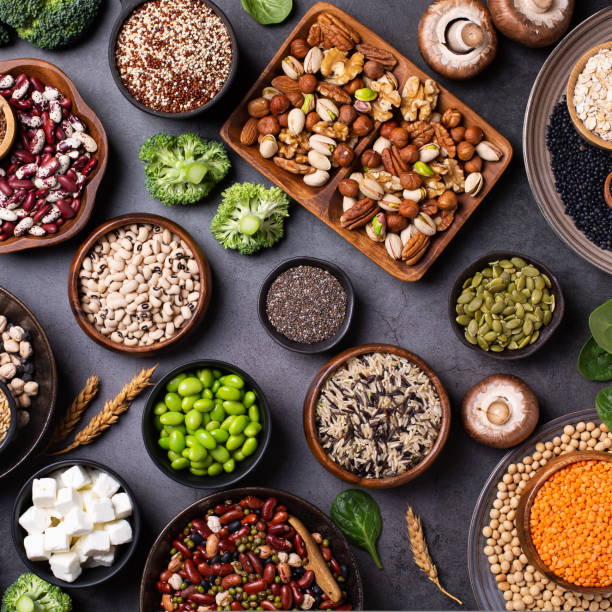
Protein is one of the most important nutrients required by the human body. It helps build muscles, repair tissues, support immunity, maintain healthy skin and hair, and keep the body energized throughout the day. While many people associate protein mainly with meat, eggs, and dairy products, there are plenty of nutritious vegetarian sources that can provide enough protein for people of all ages.
The growing interest in vegetarian diets has encouraged more people to explore plant-based protein options. Whether you are a vegetarian, vegan, fitness enthusiast, or simply looking to improve your eating habits, choosing the right vegetarian protein sources can help you maintain a balanced and healthy lifestyle.
This detailed guide on wellhealthorganic.com protein sources explains the best vegetarian foods rich in protein, their health benefits, how much protein they provide, and how you can include them in your daily meals.
Why Protein Is Important for Your Body
Protein is made up of smaller compounds called amino acids. These amino acids work as building blocks for muscles, organs, enzymes, hormones, and other essential body functions.
A protein-rich diet can help:
- Support muscle growth and recovery
- Maintain healthy bones
- Improve metabolism
- Strengthen the immune system
- Keep you full for longer periods
- Support weight management
- Improve overall energy levels
The body needs a regular supply of protein because it does not store protein in the same way it stores carbohydrates and fats. Therefore, consuming protein-rich foods daily is important.
Can Vegetarians Get Enough Protein?
A common misconception is that vegetarian diets do not provide enough protein. In reality, many plant-based foods contain significant amounts of protein. A properly planned vegetarian diet can easily meet daily protein requirements.
Foods such as lentils, beans, chickpeas, soy products, nuts, seeds, dairy products, and whole grains are excellent vegetarian protein sources.
The key is variety. Eating different protein-rich foods ensures that your body receives a wide range of amino acids and other essential nutrients.
Best Vegetarian Protein Sources
1. Lentils (Dal)
Lentils are among the most popular vegetarian protein sources, especially in Indian households. They are affordable, easy to prepare, and packed with nutrition.
Different varieties of lentils, including moong dal, masoor dal, toor dal, and urad dal, provide a good amount of protein along with fiber, iron, and minerals.
One cup of cooked lentils can provide approximately 18 grams of protein.
Benefits of Lentils:
- Supports muscle health
- Improves digestion due to high fiber content
- Helps maintain stable blood sugar levels
- Provides essential minerals like iron and magnesium
Lentils can be enjoyed as dal, soups, salads, or mixed with vegetables for a nutritious meal.
2. Chickpeas (Chana)
Chickpeas are another excellent vegetarian protein source. They are commonly used in Indian and Mediterranean cuisines and are highly versatile.
One cup of cooked chickpeas contains around 15 grams of protein.
Chickpeas are also rich in fiber, which helps improve digestion and supports healthy weight management.
Popular ways to consume chickpeas include:
- Chana masala
- Chickpea salad
- Hummus
- Roasted chickpeas
Including chickpeas regularly can help increase protein intake while adding variety to your diet.
3. Soybeans and Soy Products
Soybeans are considered one of the best plant-based protein sources because they contain all essential amino acids needed by the body.
Soy products include:
- Tofu
- Soy milk
- Tempeh
- Soy chunks
Soy chunks are especially popular among vegetarians because they contain a very high amount of protein. Around 100 grams of dry soy chunks can provide more than 50 grams of protein.
Health Benefits of Soy:
- Supports muscle development
- Provides plant-based complete protein
- Contains beneficial compounds that support heart health
- Helps vegetarians meet protein requirements easily
Tofu and soy chunks can be added to curries, stir-fries, salads, and snacks.
4. Paneer (Cottage Cheese)
Paneer is a favorite vegetarian protein source, especially among people who consume dairy products. It provides protein along with calcium, making it beneficial for muscle and bone health.
Approximately 100 grams of paneer provides around 18–20 grams of protein.
Paneer can be used in:
- Paneer curry
- Grilled paneer dishes
- Salads
- Sandwiches
- Wraps
People looking to increase protein intake often include paneer in their meals because it is filling and nutritious.
5. Greek Yogurt and Dairy Products
Dairy products can be valuable sources of high-quality protein for vegetarians.
Greek yogurt contains more protein than regular yogurt and also provides probiotics that support gut health.
Other protein-rich dairy foods include:
- Milk
- Curd
- Cheese
- Buttermilk
Adding dairy products to breakfast or snacks can help increase daily protein intake naturally.
6. Peanuts
Peanuts are an affordable and easily available vegetarian protein source. Although technically a legume, peanuts are commonly consumed like nuts.
A 100-gram serving of peanuts contains approximately 25–26 grams of protein.
They are also rich in healthy fats, magnesium, and antioxidants.
Ways to include peanuts:
- Peanut butter
- Roasted peanuts
- Peanut chutney
- Added to salads
However, because peanuts are calorie-dense, portion control is important.
7. Almonds and Other Nuts
Nuts are nutritious foods that provide protein, healthy fats, vitamins, and minerals.
Popular protein-rich nuts include:
- Almonds
- Walnuts
- Pistachios
- Cashews
A handful of almonds can provide around 6 grams of protein.
Nuts make a convenient snack option and can be added to smoothies, oatmeal, and desserts.
8. Seeds
Seeds are small but powerful sources of nutrition. Many seeds contain good amounts of protein along with omega-3 fatty acids and minerals.
Some excellent protein-rich seeds include:
Pumpkin Seeds
Pumpkin seeds contain approximately 30 grams of protein per 100 grams.
Chia Seeds
Chia seeds provide protein, fiber, and healthy fats.
Flax Seeds
Flax seeds are rich in omega-3 fatty acids and support heart health.
Sunflower Seeds
Sunflower seeds provide protein along with vitamin E and antioxidants.
Seeds can easily be added to smoothies, salads, yogurt, and breakfast bowls.
9. Quinoa
Quinoa is a popular whole grain-like food known for its impressive nutritional profile.
Unlike many plant proteins, quinoa contains all nine essential amino acids, making it a complete protein source.
One cup of cooked quinoa provides approximately 8 grams of protein.
Benefits of quinoa include:
- Supports muscle repair
- Provides long-lasting energy
- Contains fiber and minerals
- Suitable for gluten-free diets
It can replace rice in many dishes and can be used in salads and bowls.
10. Green Peas
Green peas are often considered a vegetable, but they are also a good source of plant-based protein.
One cup of cooked peas provides around 8–9 grams of protein.
They are rich in:
- Fiber
- Vitamin C
- Vitamin K
- Antioxidants
Green peas can be added to curries, rice dishes, soups, and salads.
Vegetarian Protein Sources for Muscle Building
Many people believe that muscle building requires animal protein, but vegetarian diets can support muscle growth when planned properly.
For muscle building, focus on combining:
- Soy products
- Paneer
- Lentils
- Chickpeas
- Greek yogurt
- Nuts and seeds
- Whole grains
Strength training combined with adequate protein intake helps increase muscle mass and improve physical performance.
A post-workout meal containing protein can support muscle recovery and growth.
How Much Protein Do You Need Daily?
Protein requirements vary depending on age, body weight, activity level, and health goals.
Generally:
- Average adults may need around 0.8 grams of protein per kilogram of body weight daily.
- People who exercise regularly or want to build muscle may require more protein.
- Athletes may need higher amounts depending on their training routine.
The best approach is to include protein-rich foods in every major meal rather than consuming a large amount at one time.
How to Create a High-Protein Vegetarian Diet
A balanced vegetarian diet should include different protein sources throughout the day.
Example:
Breakfast:
- Greek yogurt with nuts and seeds
- Oats with milk
- Protein-rich smoothies
Lunch:
- Dal with rice or roti
- Chickpea salad
- Vegetables with paneer
Evening Snack:
- Roasted chickpeas
- Peanut butter toast
- Nuts and seeds
Dinner:
- Tofu or paneer curry
- Lentil soup
- Quinoa bowl
Combining different foods helps create a balanced nutritional profile.
Benefits of Choosing Vegetarian Protein Sources
Vegetarian protein sources offer several advantages beyond protein content.
Better Digestive Health
Many plant-based protein foods contain fiber, which supports healthy digestion and promotes gut health.
Heart-Friendly Nutrition
Foods like beans, lentils, nuts, and seeds contain nutrients that support cardiovascular health.
Weight Management Support
Protein-rich vegetarian foods help increase fullness, which may reduce unnecessary snacking.
Rich in Vitamins and Minerals
Plant-based foods provide additional nutrients such as antioxidants, magnesium, potassium, and iron.
Common Mistakes While Following a Vegetarian Protein Diet
Although vegetarian diets can provide enough protein, some mistakes may reduce nutritional benefits.
Eating Too Many Processed Foods
Not all vegetarian foods are healthy. Processed snacks and refined foods may contain little protein and fewer nutrients.
Not Eating Enough Variety
Relying on only one protein source may limit nutrient intake. Include different foods regularly.
Ignoring Total Calories
People trying to gain muscle need enough calories along with protein. Eating too little can slow progress.
Lack of Meal Planning
Planning meals helps ensure consistent protein intake throughout the day.
Frequently Asked Questions About Vegetarian Protein Sources
Are vegetarian foods enough for protein requirements?
Yes, a well-planned vegetarian diet can provide enough protein through foods like lentils, beans, soy products, dairy, nuts, and seeds.
Which vegetarian food has the highest protein?
Soy chunks, soybeans, lentils, chickpeas, paneer, and seeds are among the highest-protein vegetarian foods.
Can vegetarians build muscle?
Yes. With proper strength training and sufficient protein intake, vegetarians can build and maintain muscle effectively.
Is plant protein as good as animal protein?
Plant proteins can support health and fitness goals. Some plant sources may need to be combined to provide a complete amino acid profile.
Final Thoughts
Vegetarian diets can be rich, diverse, and highly nutritious when they include the right protein sources. From traditional foods like dal and paneer to modern options like quinoa and tofu, there are countless ways to meet protein needs without relying on meat.
The key to a healthy vegetarian lifestyle is balance, variety, and consistency. Including multiple protein-rich foods throughout the day can help support muscles, improve energy levels, and promote overall wellness.
For anyone searching for reliable information about wellhealthorganic.com protein sources, understanding these natural protein options is the first step toward creating a healthier and more balanced diet.