
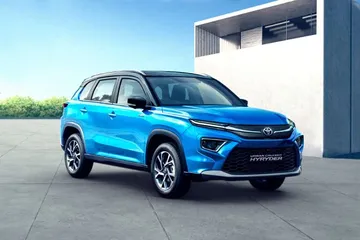
what is a hybrid car
An electric motor and a conventional internal combustion engine (ICE) are the two separate power sources that are combined in a hybrid automobile. Compared to traditional gasoline-only vehicles, this combination is intended to improve fuel efficiency and lower emissions. Hybrid vehicles combine the advantages of both powertrains, using the gasoline engine for longer trips and faster speeds and the electric motor for idle or low speed driving. This hybrid system seeks to provide a more sustainable driving experience while consuming less gasoline and having a less environmental impact.
The capacity of hybrid vehicles to smoothly transition between an electric motor and a gasoline engine, or perhaps operate both at once, is its primary characteristic. The electric motor is frequently enough to power the vehicle when traveling at low speeds or in stop-and-go traffic, conserving fuel and lowering pollutants. The gasoline engine comes on to supply more power and range when you accelerate or go faster. Regenerative braking is another feature that many hybrid vehicles use to increase economy. It recovers energy that would otherwise be wasted during braking and turns it into electricity to recharge the vehicle’s battery.
Although hybrid vehicles come in a variety of forms, plug-in hybrids, mild hybrids, and full hybrids are the most popular. For optimal fuel efficiency, a full hybrid vehicle (such as the Toyota Prius) can run on either the gasoline engine, the electric motor, or both. Conversely, a mild hybrid cannot run entirely on electricity; instead, it depends more on the gasoline engine and uses the electric motor to help with specific tasks, such as increasing acceleration or providing power at slower speeds. A step further are plug-in hybrid electric vehicles (PHEVs), which have larger battery packs that enable charging from an electric outlet and longer electric-only driving before converting to gasoline for longer trips.
The fuel efficiency of hybrid vehicles is one of their main benefits. Hybrid vehicles are viewed as a workable way to cut fuel usage and carbon footprints in light of growing fuel prices and growing environmental consciousness. They are a desirable option for people who drive frequently in cities or have lengthy commutes because they typically achieve much better gas mileage than conventional cars. Additionally, hybrids are more environmentally friendly because to their lower emissions, which help to improve air quality and lessen their negative effects on the environment.
To sum up, hybrid vehicles are a step toward more ecologically friendly and efficient transportation. They provide better fuel economy, lower emissions, and a more environmentally friendly driving experience by fusing the benefits of both electric and gasoline powertrains. Hybrid vehicles are an appealing option whether you want to lower your carbon footprint, save money on gas, or drive more sustainably. In the future of sustainable mobility, hybrid cars are probably going to become more and more significant as technology advances.


 are the two separate power sources that are combined in a hybrid automobile.)